


AI - Human & Vehicle detection

Human & Vehicle Classification AI
MD 2.0 and MD 3.0 are LTS's deep learning motion detection technologies — built to tell the difference between a person, a car, and a wind-blown branch, so the alert you get is one worth acting on.
Shop MD Cameras MD 2.0 vs MD 3.0Pin-Pointing Human & Vehicle Events
LTS's Platinum range of MD-equipped cameras and recorders is purpose-built to filter the false alarms that waste an installer's time and erode a client's trust in their system.
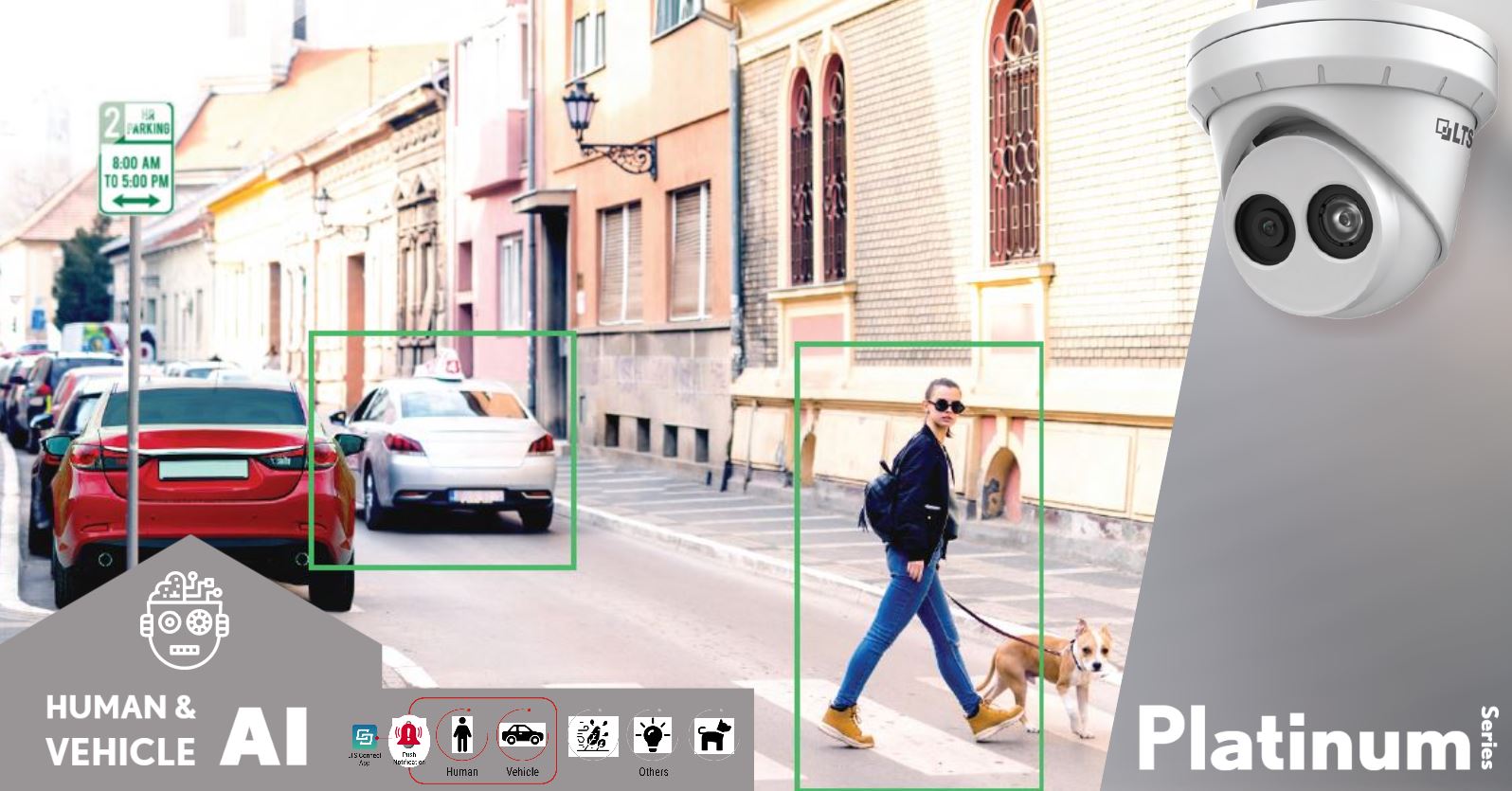
LTS's MD-series cameras are designed to pin-point human and vehicle events specifically — filtering out the false alarms that weather, animals, and other irrelevant motion routinely trigger on conventional motion-detection systems.
When a genuine human or vehicle event is detected, instant push notifications are sent straight through the LTS Connect app, so the end user — or the monitoring team — knows immediately that something worth seeing has happened.
- Deep learning, not just pixel motion: the camera's VCA is trained on the shapes of human bodies and motor vehicles, not simply changes in brightness or movement.
- Built for every scale: from a single residential turret camera through to enterprise NVR deployments across dozens of channels.
- Delivered straight to the app: classification events trigger real-time alerts via LTS Connect, with no separate monitoring hardware required.
See It In Action
Two official LTS videos — a real-world camera demonstration from LTS Australia, and an introduction to the Platinum MD Series from LTS USA.
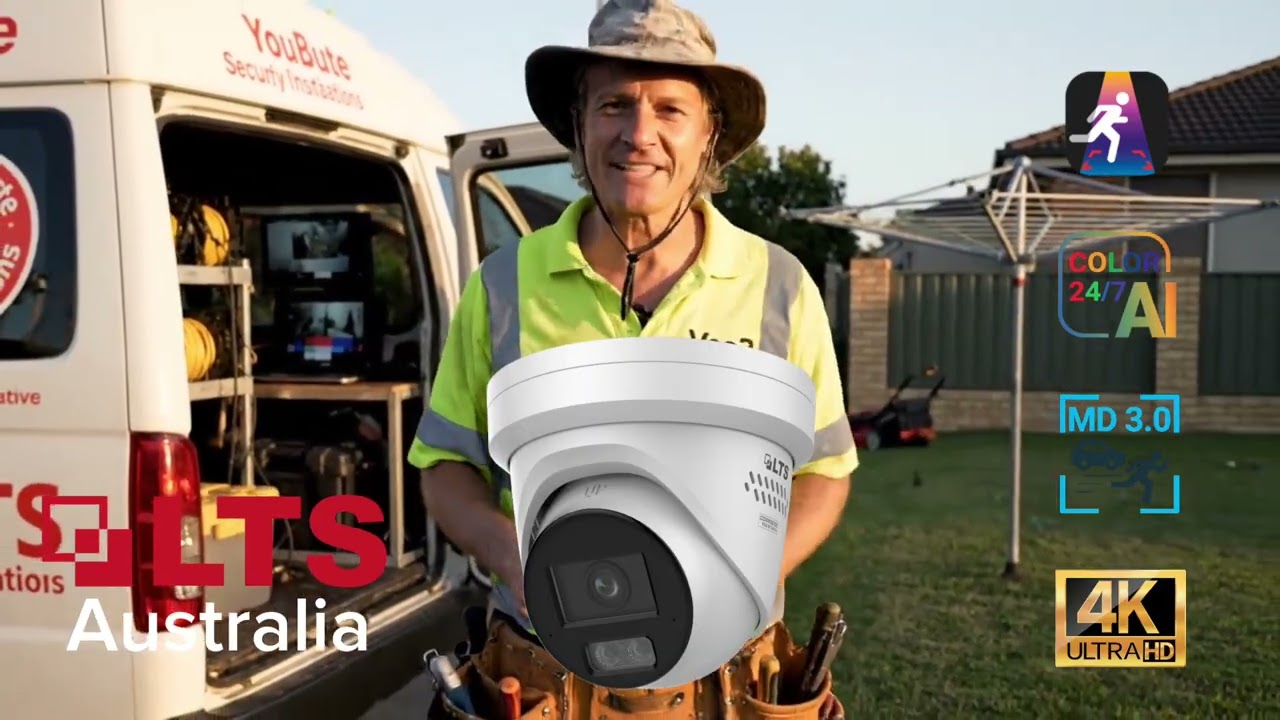
LTS AI ISP Camera — Human & Vehicle Classification Demo (LTS Australia)
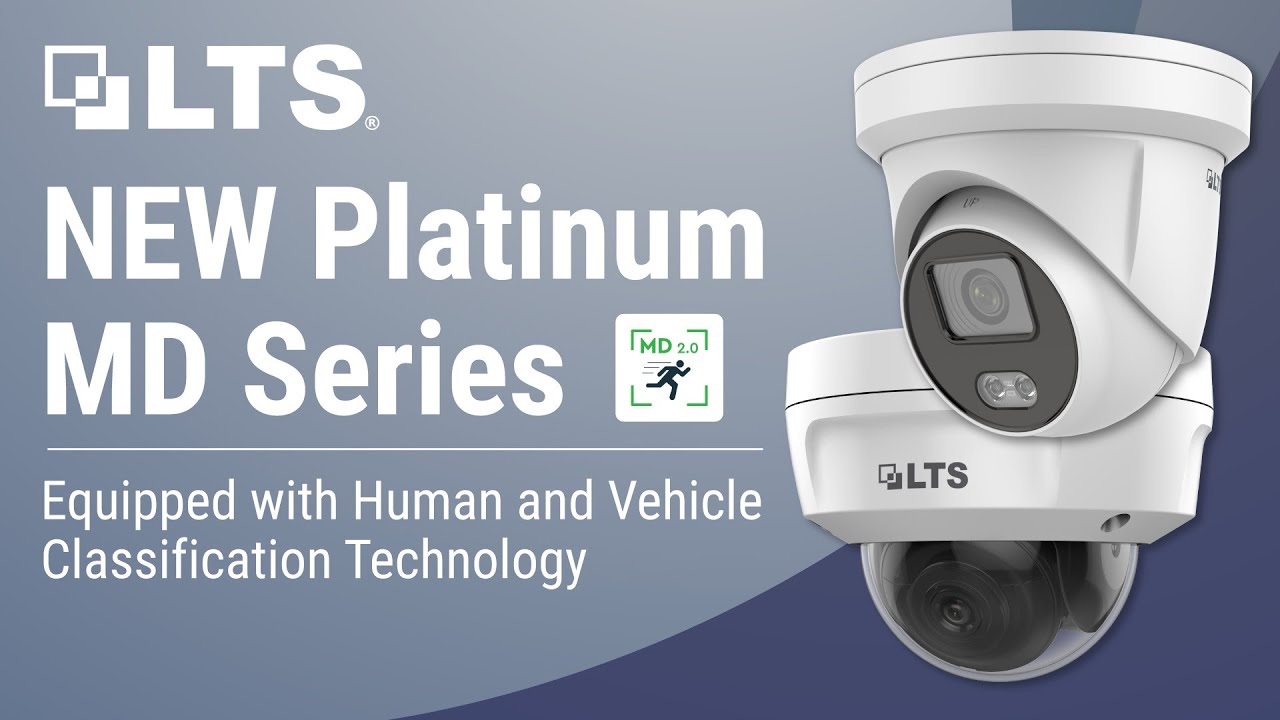
NEW LTS Platinum MD Series (LTS USA)
How Deep Learning Classification Works
Every MD-equipped LTS camera runs the same basic logic — but only genuine human and vehicle shapes make it through to a notification.
Beyond "Person Detected"
Select MD cameras go further than a simple human/vehicle flag, capturing attributes that make searching recorded footage dramatically faster.
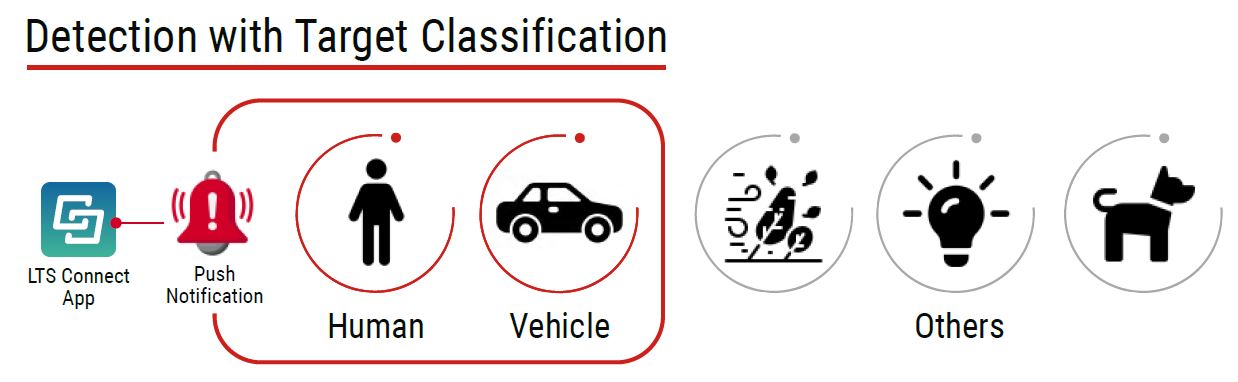
Where motion is matched to a vehicle, select LTS cameras can also report colour and vehicle type. Where motion is matched to a person, select cameras can report gender, clothing colour, and other key identifiers — not every MD device captures all of these attributes, but where it's supported, it turns a vague clip into a searchable record.
- Vehicle attributes: colour and type, for faster filtering of recorded footage by vehicle.
- Human attributes: gender, clothing colour, and other descriptors on supported models.
- Smarter NVR search: attribute data is indexed by the recorder, so reviewing footage after an incident takes minutes, not hours.
MD 2.0 vs MD 3.0
MD 3.0 is the latest evolution of LTS's human and vehicle classification engine, refining the deep learning model first introduced with MD 2.0 across LTS's current camera and NVR ranges.
MD 2.0
- Deep learning human and vehicle shape classification
- Filters false alarms from animals, weather, and foliage
- Attribute capture on select models (colour, type, gender, clothing)
- Deployed across the broad current Platinum and Pro-X camera ranges
- Supported by Basic, Standard, and Advanced-tier NVRs
MD 3.0
- Refined classification model built on the MD 2.0 foundation
- Targets improved accuracy and reduced false triggers in harder scenes
- Rolling out across LTS's newest camera and NVR generations
- Designed to work within the same LTS Connect and NVMS workflow installers already know
- Ask your LTS Security Australia account manager which current models ship with MD 3.0
Compatible Camera Models
Current LTS cameras shipping with human and vehicle classification.
NVR Compatibility & Classification Level
The depth of human/vehicle classification available depends on the NVR processing it — pair MD cameras with an Advanced-tier recorder for the fullest feature set.
| NVR Model | Classification Level |
|---|---|
| LTN8704Q-P4N | Basic |
| LTN8708K-P8 / LTN8716K-P16 | Standard |
| LTN8608-P8 / LTN8616-P16 | Standard |
| LTN8932H / LTN8932H-P16 / LTN8932H-P24 | Advanced |
Find the Right Clip in Seconds
Classification data isn't just for alerts — it dramatically speeds up reviewing recorded footage after an incident.
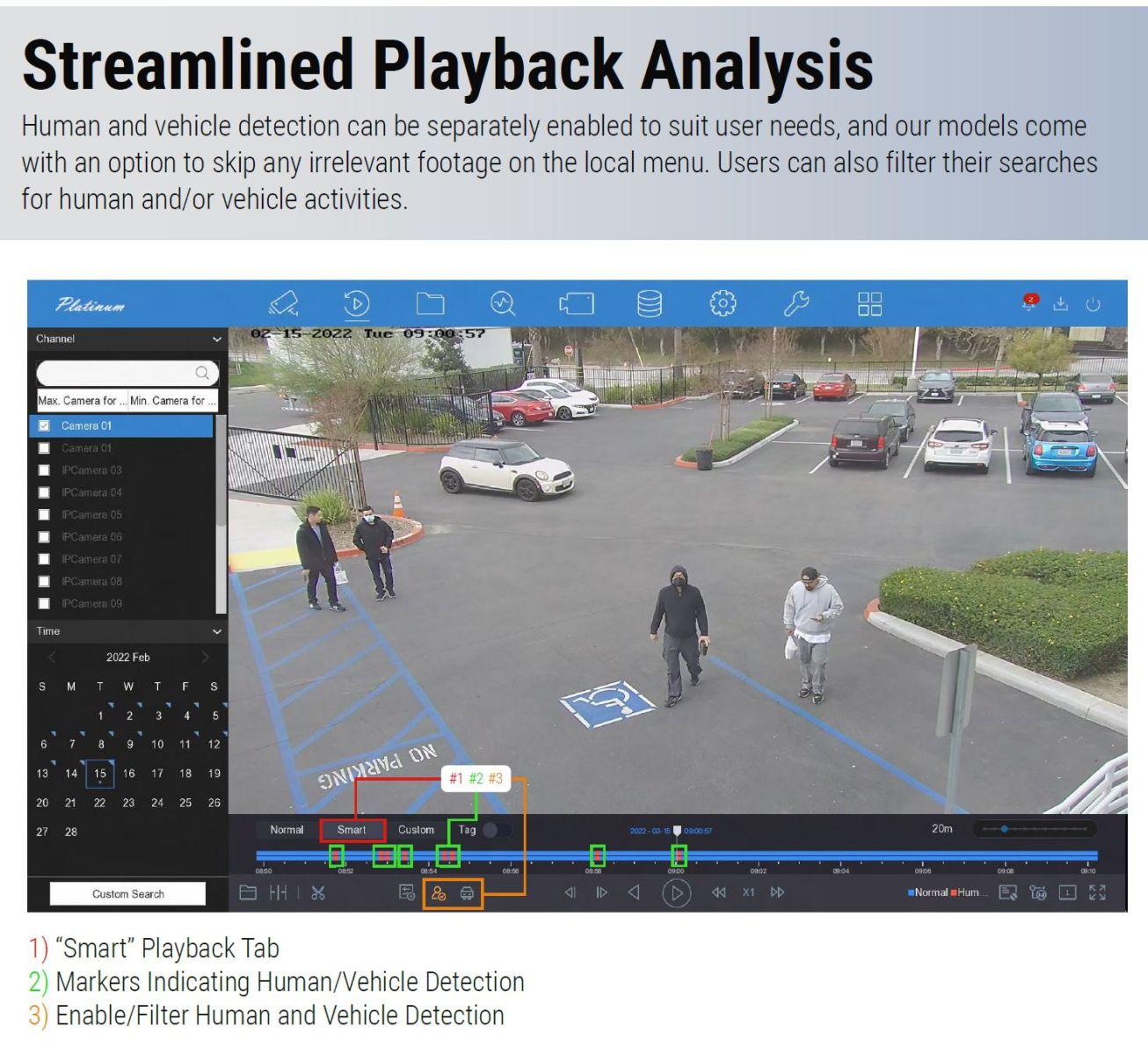
Instead of scrubbing through hours of footage, installers and end users can filter recorded video by classification type directly in the NVMS interface — jumping straight to clips containing a human or a vehicle and skipping everything else.
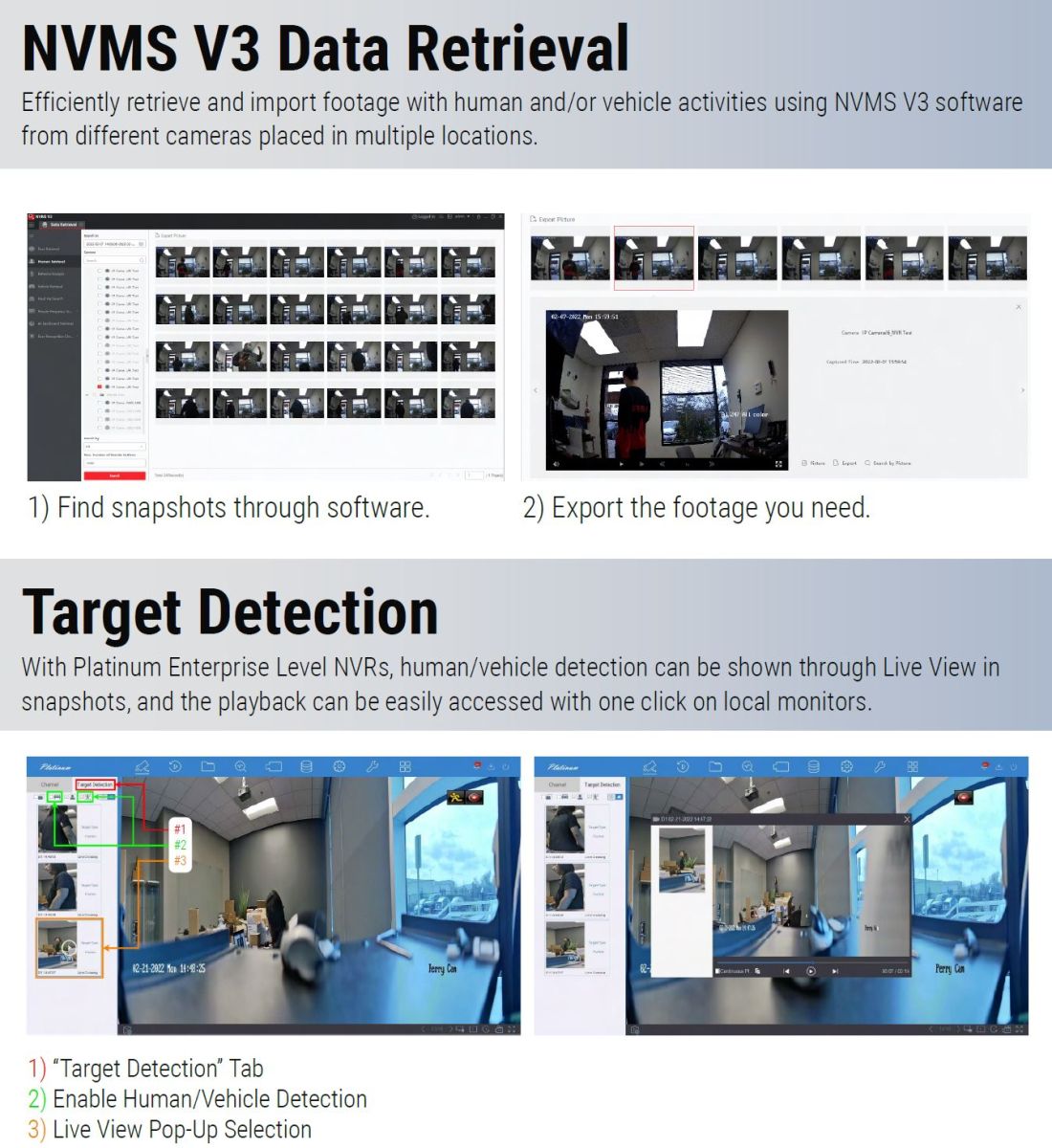
Combined with NVMS data retrieval tools, classification metadata means forensic evidence can be located rapidly after a security event — turning what used to be a manual scrub through timeline footage into a targeted, filtered search.
Built for Every Site Type
Indoors and out, human/vehicle classification extends the intelligence of virtually any installation — new or existing.
Why It Matters for Installers
Classification technology pays for itself in reduced support overhead and happier clients.
No More Nuisance Alerts
Security personnel and end users no longer need to be concerned about an animal, a moving branch, or rain triggering a false alarm.
Faster Forensic Search
Classification metadata means evidence can be located and reviewed rapidly after a security event, rather than scrubbing through raw footage.
Resources Go Where They Matter
Filtered alarms and classifications mean time, effort, and budget go directly toward genuine protective and preventive measures.
Frequently Asked Questions
Common questions from installers about MD 2.0 and MD 3.0 classification.
Classification That Actually Filters Noise
MD 2.0 and MD 3.0 human & vehicle classification — available now across LTS's Platinum and Pro-X camera ranges through LTS Security Australia.

